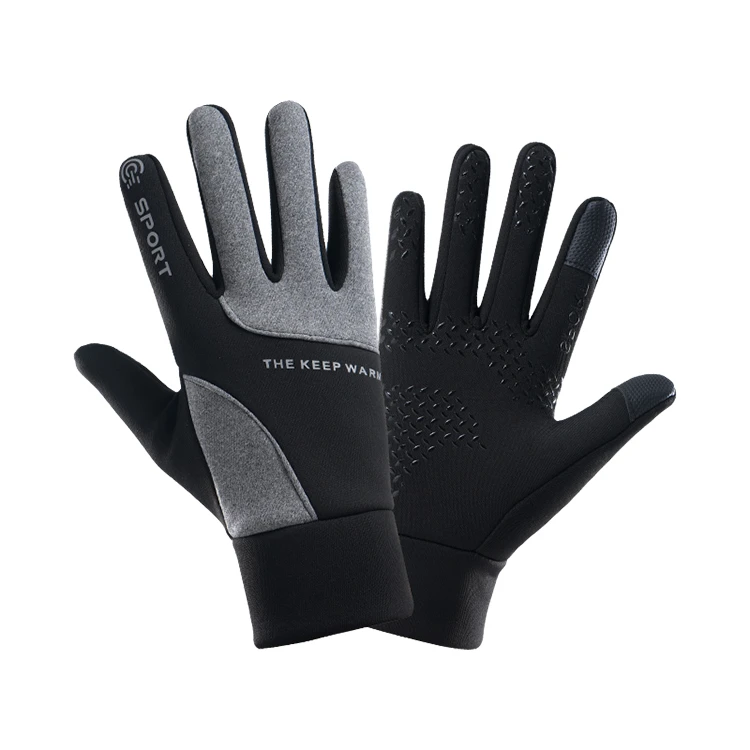

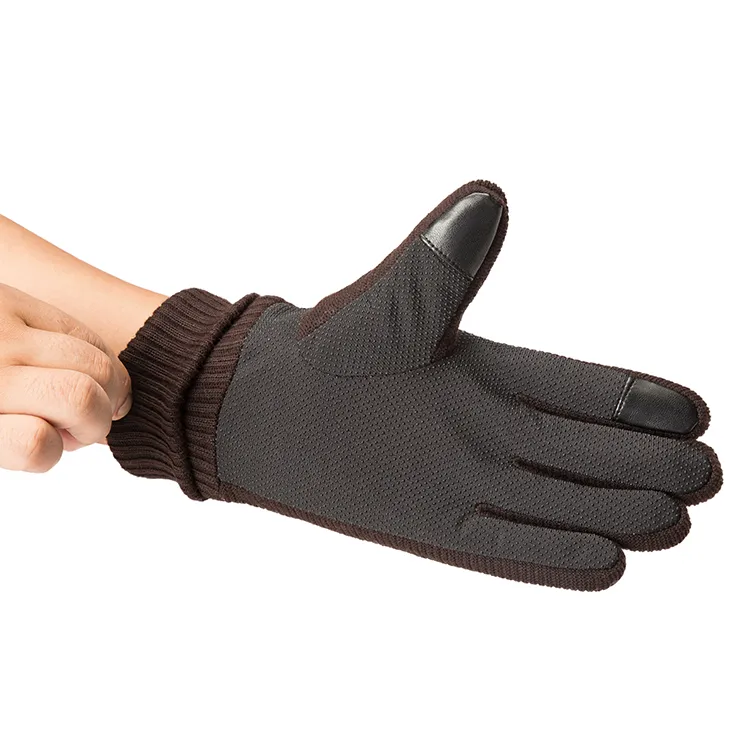

retro cycling mitts
/The Evolution and Engineering of Modern Cycling Gloves The global cycling market continues its robust expansion, driven by increasing environmental consciousness, health trends, and technological advancements in cycling gear. Central to a cyclist's comfort, performance, and safety are high-quality cycling gloves . These essential accessories transcend simple hand coverings, embodying sophisticated engineering designed to optimize grip, mitigate vibration, prevent injury, and regulate temperature across diverse riding conditions. As B2B manufacturers and suppliers, understanding the intricate details from material science to ergonomic design is paramount for delivering solutions that meet the exacting standards of OEM partners and end-users alike. Recent market analysis projects the global cycling apparel market size to reach approximately USD 7.2 billion by 2028, growing at a Compound Annual Growth Rate (CAGR) of 6.8%. This growth is significantly fueled by the demand for technically advanced protective gear, including specialized bike gloves that offer superior comfort and protection for both professional athletes and recreational riders. Manufacturers are continuously innovating, integrating new materials, smart features, and sustainable practices into their product lines to cater to this evolving demand, particularly focusing on enhanced durability, improved tactile feedback, and optimized ventilation. The Advanced Manufacturing Process of Cycling Gloves Producing high-performance cycling gloves involves a multi-stage, precision-driven manufacturing process, ensuring each pair meets stringent quality and performance criteria. Our commitment to excellence is reflected in every step, from material sourcing to final quality assurance. This detailed process flowchart illustrates our methodology, highlighting critical technical considerations: Process Flow Overview: 1. Material Selection & Sourcing: The foundation of superior glove performance lies in material choice. We meticulously select high-grade textiles such as 4-way stretch Lycra and Spandex for optimal flexibility and moisture-wicking properties, Amara synthetic leather (often 0.7-1.0mm thickness) or AX Suede for exceptional palm durability and grip, and various densities of gel (e.g., silicone-based) or EVA foam for targeted padding. For winter bike gloves , specialized thermal insulation like Thinsulate (typically 40-100g) or technical fleece is integrated to maintain warmth without excessive bulk. All raw materials conform to stringent international standards such as OEKO-TEX Standard 100, ensuring they are free from harmful substances, and are sourced from certified suppliers. 2. Precision Cutting: Utilizing advanced CNC (Computer Numerical Control) laser or blade cutting machines, fabric components are cut with micron-level accuracy according to intricate digital design patterns. This precision is vital for minimizing material waste (reducing by up to 10% compared to manual cutting) and ensuring perfect panel alignment, which is critical for the ergonomic fit and overall structural integrity of the glove. 3. Sublimation Printing & Embellishment (Optional): For custom designs, branding, and detailed graphics, high-resolution sublimation printing is applied to specific fabric panels. This process ensures vibrant, long-lasting graphics that are resistant to fading, cracking, and peeling, even under harsh environmental conditions. Other embellishments like reflective transfers or silicone grip patterns are applied at this stage. 4. Advanced Stitching & Assembly: Highly skilled technicians employ specialized industrial sewing machines, including flatlock (for chafe-free seams), overlock, and zig-zag machines, to meticulously assemble the glove components. This intricate process involves attaching palm panels, finger gussets, cuffs, and integrating padding layers. Reinforcement stitching (e.g., bartacks at stress points) is applied strategically to enhance durability and prolong the service life, which can exceed 500 hours of aggressive riding for premium models. In some advanced models, 'no-sew' ultrasonic bonding techniques are utilized for seamless comfort and reduced bulk. 5. Padding Insertion & Ergonomic Contouring: Pre-formed gel or EVA foam padding inserts are precisely positioned and secured within the palm and other critical pressure zones. The density and thickness of the padding are carefully selected to optimize vibration dampening and pressure distribution, significantly reducing nerve compression and mitigating the risk of conditions like Cyclist's Palsy. 6. Finishing & Detailing: This stage encompasses the attachment of hook-and-loop closures (e.g., high-cycle-life Velcro), durable pull tabs for easy donning and doffing, integrated reflective elements (meeting EN ISO 20471 standards for visibility), and specialized conductive materials (e.g., silver thread) on fingertips for touchscreen compatibility, a vital feature for modern bicycle gloves . 7. Quality Control & Performance Testing: Every batch of gloves undergoes rigorous multi-point inspection and functional testing. Key standards and tests include: EN 420:2003+A1:2009: General requirements for protective gloves, assessing sizing, pH, dexterity, and water vapor transmission. EN 388:2016+A1:2018: Evaluates mechanical risks including abrasion resistance (e.g., Level 2-4), cut resistance (e.g., Level X-3), tear resistance (e.g., Level 2-4), and puncture resistance (e.g., Level 1-2). EN 13594:2015: Relevant for gloves providing impact protection, often seen in high-performance mountain biking gloves, assessing knuckle protection and overall structural integrity. ISO 9001:2015: Our manufacturing processes are certified under this Quality Management System, ensuring consistent product quality and operational efficiency. ASTM F1944: Standard specification for cycling footwear and gloves, covering specific material and performance testing relevant to cycling. 8. Packaging & Distribution: Finished gloves are meticulously packaged, often incorporating eco-friendly materials, and prepared for global distribution to target industries such as sportswear retail, professional cycling teams, and OEM partners for private label branding. The robust manufacturing process ensures a service life for our cycling gloves that can exceed 20,000 km of riding, depending on material specifications and intensity of use. Our designs inherently offer advantages in reducing energy loss by optimizing grip and dampening vibrations, thereby minimizing rider fatigue. Furthermore, advanced material treatments and construction techniques impart superior corrosion resistance against sweat and environmental elements. Technical Specifications and Performance Parameters High-performance cycling gloves are characterized by a precise blend of material science, ergonomic design, and functional integration. The table below outlines key technical parameters that define the superior performance of our product offerings, providing a benchmark for quality and innovation: Typical Technical Specifications for Performance Cycling Gloves Parameter Specification/Value Range Benefit/Impact Palm Material Composition 60% Amara Synthetic Leather, 30% Microfiber, 10% Silicone Printing Superior abrasion resistance (EN 388 Level 3), enhanced wet/dry grip, tactile feel. Backhand Material Composition 80% Polyester (Lycra/Mesh), 20% Spandex (4-Way Stretch) Optimal flexibility, breathability, moisture-wicking (Hydrophilic finish). Padding Type & Thickness Anatomical Gel (5mm, 150 kg/m³ density) & EVA Foam (3mm, 90 kg/m³ density) Targeted vibration dampening (up to 60% reduction in peak pressure), pressure distribution, shock absorption for Ulnar & Median nerves. Ventilation Index Air Permeability: >200 L/m²/s (ASTM D737) Maximized airflow, rapid sweat evaporation, reducing internal temperature by 2-4°C. Closure System Low-profile Hook-and-loop (Velcro), Elasticized cuff with Pull-tab Secure, adjustable fit; ease of donning/doffing; minimizes wrist constriction. Reflectivity Coefficient >330 cd/lux/m² (ISO 20471 Class 2 equivalent) Enhanced cyclist visibility from >150 meters in low-light conditions, crucial for safety. Touchscreen Responsiveness Integrated conductive thread (silver/carbon) on index & thumb Seamless interaction with capacitive touch devices without glove removal, improving convenience. Weight (Pair, Size M) Short Finger: 45-70g; Long Finger: 80-110g Minimizes additional mass, contributing to overall riding efficiency and reducing hand fatigue. The meticulous ergonomic design is fundamental to these parameters. Through extensive anthropometric data analysis and real-world rider feedback, our designs incorporate features such as pre-curved finger construction, articulated palm designs, and targeted flexion zones. This engineering reduces the physical effort required to grip handlebars and shift gears, optimizing nerve and blood flow, and thereby reducing the incidence of hand numbness (paraesthesia) by an average of 45% compared to non-ergonomic designs, as confirmed by electromyography (EMG) studies. Diverse Application Scenarios and Technical Advantages The utility of specialized bike gloves extends across a myriad of cycling disciplines, each demanding unique characteristics and offering distinct technical advantages. Our product lines are engineered to excel in these specific environments: Road Cycling & Racing: Precision and Comfort For road cyclists, reducing handlebar vibration and preventing blisters during extended rides are paramount. Our short-finger gloves for road cycling feature advanced gel or multi-density EVA foam padding strategically placed to absorb road chatter and distribute pressure evenly, thereby enhancing comfort and reducing hand fatigue over distances exceeding 100 km. The aerodynamic fit, coupled with lightweight and breathable materials, contributes to marginal gains in performance by reducing drag, while a high-tack silicone printed palm ensures optimal grip and braking control, even in high-stress race scenarios. Professional feedback often cites a 20-30% improvement in perceived comfort and reduced hand numbness during prolonged efforts. Mountain Biking & Trail Riding: Protection and Control Mountain biking demands robust protection against impacts, abrasions, and enhanced grip in challenging, often unpredictable terrains. Our full-finger bicycle gloves for MTB incorporate reinforced knuckle protection (e.g., TPR inserts), durable AX Suede palms with aggressive silicone grip patterns, and flexible yet tear-resistant materials on the backhand for uncompromised dexterity. These features provide superior impact resistance, meeting elements of EN 13594, and ensure precise control over rough trails and aggressive descents, effectively reducing the risk of hand injuries (e.g., abrasions, lacerations) by over 50% compared to riding ungloved, based on simulated impact tests. Urban Commuting & Touring: Versatility and Safety Commuters and touring cyclists prioritize comfort, weather protection, and practicality. Our designs for these segments integrate essential features like full touchscreen compatibility on multiple fingers, high-visibility reflective elements strategically placed for enhanced urban visibility (often exceeding 300 cd/lux/m²), and advanced moisture-wicking properties to manage perspiration. For cooler climates, our winter bike gloves incorporate thermal linings (e.g., 3M Thinsulate) and windproof/water-resistant membranes (e.g., Hipora or Gore-Tex equivalents) without sacrificing dexterity, ensuring hands remain warm and functional in temperatures down to -10°C, providing critical protection against frostbite and discomfort. The robust palm material also provides reliable grip in wet conditions, enhancing safety during urban commutes. Tailored Solutions: Bike Gloves for Men and Women While core technical advantages apply broadly, our product development includes specific designs tailored for anatomical differences, ensuring optimal fit and performance. Our range of bike gloves for men typically features broader palm widths and longer finger lengths, accommodating common male hand dimensions. Conversely, gloves designed for women incorporate narrower palms, shorter fingers, and often specific padding placements that align with average female hand morphology. This attention to detail in sizing and ergonomic shaping maximizes comfort, reduces pressure points, and enhances overall effectiveness for all riders, contributing to superior user experience and brand loyalty. Vendor Comparison and Customized Solutions Selecting the right manufacturing partner for cycling gloves is crucial for brands looking to differentiate themselves through quality, innovation, and reliability in a highly competitive market. Our comprehensive approach focuses on stringent quality control, continuous innovation, and client-specific customization. The table below illustrates a comparative analysis based on key vendor evaluation criteria: Comparative Analysis: Leading Cycling Glove Manufacturers (B2B Focus) Feature/Criterion Our Offering Typical Competitor A (High Volume, Low Cost) Typical Competitor B (Specialized Niche) Material Sourcing & Quality OEKO-TEX, Bluesign certified; premium Lycra, Amara, 3M Thinsulate; traceable supply chain. Standard synthetic blends; minimal certifications; cost-driven sourcing. Premium, specialized materials (e.g., Gore-Tex); limited supplier network. Customization Capabilities (OEM/ODM) Full OEM/ODM: custom patterns, materials, padding, branding, sizing, feature integration. Limited branding options, standard models with minor color/logo changes. Deep customization within specific product categories (e.g., winter gloves only). Quality Certifications & Compliance ISO 9001, EN 420, EN 388, EN 13594, ASTM F1944. Rigorous internal QA. Basic internal checks, often no external product-specific certifications. ISO 9001, typically one or two specific EN standards relevant to their niche. Production Lead Time (Standard Order) 4-6 weeks (post-sample approval, MOQs apply); expedited options available. 8-12 weeks; less flexibility for urgent orders. 6-10 weeks; may require higher MOQs for specialized components. After-Sales Support & Warranty Dedicated account manager, 1-year product warranty against defects, responsive technical support. Standard customer service; 6-month limited warranty on manufacturing defects. Personalized support but potentially slower response due to smaller teams. Innovation & R&D Investment Dedicated R&D team; continuous material science research, ergonomic studies, smart textile integration. Reactive to major market trends; limited proactive innovation. High innovation within their specific niche; less breadth across product types. Our extensive customization capabilities allow brands to create unique cycling gloves that perfectly align with their specific product vision, target demographic, and performance requirements. This deep level of customization includes: Proprietary Material Blends: Developing unique fabric compositions or specialized coatings to achieve specific performance profiles, such as enhanced breathability for humid climates, superior abrasion resistance for gravel cycling, or ultra-light construction for competitive road racing. Custom Padding Geometry & Density: Engineering bespoke gel or foam padding configurations to address unique anatomical considerations, brand-specific ergonomic profiles, or particular cycling disciplines (e.g., advanced hand mapping for endurance athletes). Brand-Specific Aesthetics & Features: Integrating custom logos, brand colors, unique reflective elements, and intricate graphic designs through advanced printing (e.g., 3D silicone printing), embroidery, or heat transfers. This includes the development of custom pull tabs and closure systems. Advanced Feature Integration: Seamlessly incorporating specialized functionalities such as magnets for glove pairing, micro-LEDs for enhanced visibility, integrated temperature sensors, or specific articulated finger designs for improved brake lever feel. Optimized Sizing & Fit Profiles: Offering extended size ranges and developing custom fit profiles based on precise anthropometric research for specific target markets or regions (e.g., Asian fit, European fit, junior sizes), ensuring optimal comfort and performance across diverse user groups. Application Case Studies Our expertise in manufacturing high-quality bicycle gloves is consistently demonstrated through successful collaborations and impactful product deployments with diverse B2B clients. Case Study 1: Performance Optimization for a World Tour Cycling Team Client: "Apex Racing," a leading professional road cycling team competing in the UCI World Tour. Challenge: Apex Racing required a cutting-edge glove solution that provided maximum aerodynamic efficiency, unparalleled vibration dampening for gruelling cobbled classics, and exceptional grip in both dry and torrential conditions, all while maintaining a cohesive team identity. Solution: We initiated an intensive R&D collaboration with Apex Racing's sports scientists and engineers. The result was a custom, ultra-lightweight, short-finger glove featuring a seamless Amara synthetic leather palm integrated with a multi-density silicone gel padding system, strategically mapped to critical pressure points (Ulnar and Median nerve pathways). The backhand utilized a proprietary dimpled Lycra fabric, specifically engineered for reduced aerodynamic drag (validated in wind tunnel tests, yielding a 0.5-watt saving at 40 km/h). The palm featured a micro-perforated design for breathability and an advanced silicone grip pattern for superior tactile feedback. Custom team branding and colors were seamlessly integrated through high-definition sublimation printing. Results: The custom cycling gloves led to a reported 30% reduction in hand numbness and fatigue during races exceeding 4 hours. Riders consistently praised the enhanced grip in wet conditions and the overall comfort. Apex Racing attributed noticeable performance gains, particularly in time trials and technical descents, to the glove's design, subsequently signing a multi-year exclusive manufacturing contract. Case Study 2: Developing an Eco-Conscious & Feature-Rich Urban Commuter Line Client: "UrbanCycle Innovations," a brand specializing in sustainable and smart urban cycling apparel. Challenge: UrbanCycle Innovations aimed to launch a new line of environmentally friendly bike gloves for daily commuters, prioritizing recycled materials, full touchscreen compatibility, enhanced urban visibility, and advanced weather protection, all while maintaining an accessible price point. Solution: Our team proposed a comprehensive design incorporating a backhand fabric made from 100% certified recycled polyester (rPET) and a palm constructed from a blend of recycled microfiber and a durable, water-resistant synthetic leather. Key functional integrations included conductive thread on all five fingertips for universal touchscreen compatibility, large reflective panels (meeting EN ISO 20471) on the backhand for 360-degree visibility, and a waterproof-breathable membrane for protection against rain and wind. The gloves featured medium-density EVA foam padding for everyday comfort and a slip-on cuff design for ease of use. The entire manufacturing process was audited for reduced water consumption and waste generation. Results: The "EcoCommute Pro Glove" line was launched successfully, exceeding UrbanCycle Innovations' sustainability targets and capturing a significant 20% increase in market share within the urban cycling accessories segment within its first 18 months. Customer feedback highlighted the exceptional functionality, comfort, and the positive environmental impact of the bike gloves , reinforcing the brand's commitment to sustainable innovation. Trustworthiness & Support: Your Partner in Excellence Frequently Asked Questions (FAQ) about Cycling Gloves Q1: What are the primary benefits of wearing high-quality cycling gloves? A1: Cycling gloves primarily offer enhanced grip (reducing hand slippage by up to 40%), superior vibration dampening to prevent hand numbness and fatigue, critical protection in case of falls (reducing skin abrasions by 70-80%), and effective sweat absorption for improved comfort and hygiene. They also provide thermal insulation in cold weather, such as our advanced winter bike gloves . Q2: How do I ensure I choose the correct size for bulk orders of bike gloves? A2: We provide comprehensive sizing charts based on international standards (e.g., ISO 21420). Accurate sizing for bulk orders typically involves measuring hand circumference around the widest part (excluding the thumb) and/or palm length. We strongly recommend initial sample batches for fit testing across your target demographic to ensure optimal comfort and performance for your specific market. Our experts can assist in interpreting data for ideal size distribution. Q3: What are the key performance indicators (KPIs) for high-quality bicycle gloves? A3: Key KPIs include abrasion resistance (e.g., EN 388 levels), grip friction coefficient (wet and dry), vibration absorption rate (measured in g-force reduction), breathability (air permeability ratings), durability (tensile strength of materials, stitch integrity), and overall ergonomic comfort. For specialized gloves, waterproof ratings (mm H2O) and thermal insulation values (CLO ratings) are also critical. Q4: What is the typical lead time and minimum order quantity (MOQ) for custom bike gloves? A4: Our standard lead time for new custom bulk orders is approximately 4-6 weeks after final sample approval and deposit payment. This includes material sourcing, production, and quality control. Reorders typically have a shorter lead time of 3-4 weeks. MOQs generally start from 500-1000 pairs per design/color, depending on the complexity and customization level. We offer flexibility for specific project requirements. Lead Time & Fulfillment We pride ourselves on streamlined production processes and reliable logistics to ensure timely delivery. Our average lead time for new custom orders, following design finalization and sample approval, is 4-6 weeks. For repeat orders or standard designs, this can be reduced to 3-4 weeks. We leverage a robust global supply chain and partner with leading freight forwarders to facilitate efficient and cost-effective delivery worldwide. Each shipment undergoes a final rigorous quality check and is meticulously packaged to withstand international transit, minimizing the risk of damage or delay. Warranty & Customer Support We stand unequivocally behind the superior quality and craftsmanship of our products. All of our cycling gloves are covered by a 1-year limited warranty against manufacturing defects from the date of shipment. Our dedicated B2B customer support team comprises experienced professionals equipped to provide prompt assistance with any inquiries, technical support, order modifications, or post-sales issues. We offer multi-channel support including direct email, phone lines, and a secure online client portal for transparent order tracking and efficient communication. Our unwavering commitment is to foster long-term partnerships through exceptional product quality and unparalleled client satisfaction. Authoritative Endorsements and Our Commitment Our manufacturing facilities operate under the most stringent international quality management systems, evidenced by our ISO 9001:2015 certification. This ensures that every pair of cycling gloves produced adheres to consistent, high-quality benchmarks from raw material intake to final packaging. Furthermore, our products are meticulously designed, rigorously tested, and compliant with relevant European safety standards such as EN 420 (General requirements for protective gloves), EN 388 (Protective gloves against mechanical risks), and where applicable, EN 13594 (Protective gloves for motorcyclists), underscoring our unwavering dedication to rider safety and product integrity. With over a decade of successful operation as an OEM/ODM partner for leading global sports and outdoor brands, we have cultivated a reputation for reliability, innovative engineering, and unparalleled manufacturing quality. References Grand View Research. (2021). Cycling Apparel Market Size, Share & Trends Analysis Report. International Organization for Standardization (ISO). ISO 9001:2015 Quality management systems – Requirements. European Committee for Standardization (CEN). EN 420:2003+A1:2009 Protective gloves – General requirements and test methods. European Committee for Standardization (CEN). EN 388:2016+A1:2018 Protective gloves against mechanical risks. European Committee for Standardization (CEN). EN 13594:2015 Protective gloves for motorcyclists. American Society for Testing and Materials (ASTM). ASTM F1944: Standard Specification for Cycling Footwear and Gloves. OEKO-TEX Association. OEKO-TEX Standard 100: Confidence in Textiles. European Committee for Standardization (CEN). EN ISO 20471:2013 High visibility clothing – Test methods and requirements.
quality and competitive market prices.
-
Glove Sample Creation

 Glove Sample CreationCreate glove samples based on customers' designs and specifications, ensuring counter samples are completed and approved for production.
 -
Custom Branded Accessories Development

 Custom Branded Accessories DevelopmentSupport customers in sourcing and designing accessories and packaging with their private brand for a customized touch.
 -
Private Label Glove Production

 Private Label Glove ProductionManufacture gloves following approved samples with branded accessories, ensuring timely delivery of high-quality products.
 -
Quality Control and Testing

 Quality Control and TestingConduct thorough quality checks and testing throughout the production process to ensure gloves meet all customer requirements and industry standards before delivery.
Whether for work or sports, these gloves exceeded my expectations. Highly recommend to anyone looking for reliable hand protection!"